
CRU Approves Record Investment in Ireland’s Electricity Grid and Network
Landmark investment of up to €18.9bn to upgrade Ireland’s existing electricity infrastructure and deliver critical new infrastructure to meet future demand.
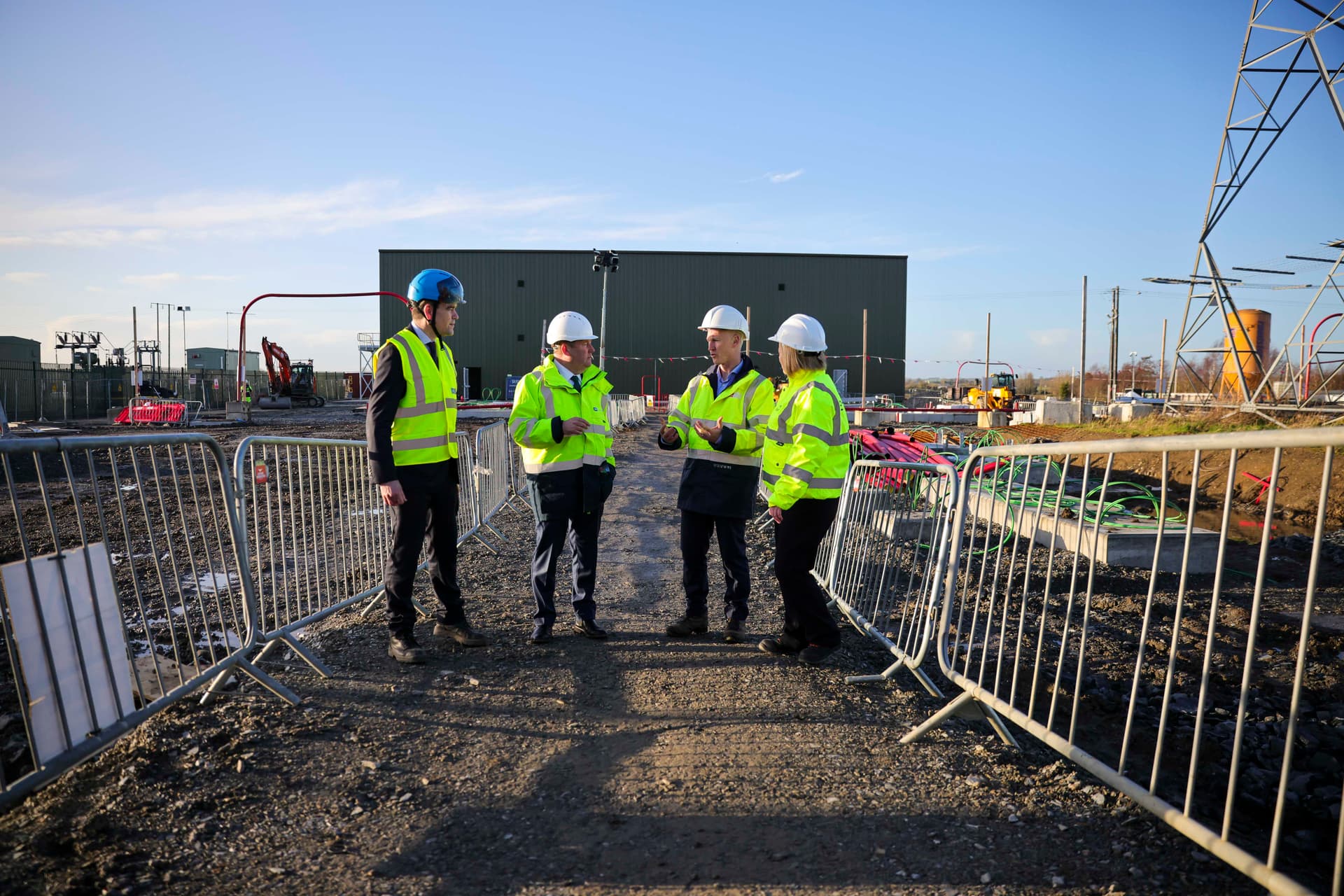
The Commission for Regulation of Utilities (CRU) has today approved a landmark investment package of up to €18.9 bn in Ireland’s national electricity grid and network for the regulatory period 2026-2030.
The Regulatory Framework sets down the baseline of investment of €13.8bn that ESBN and EirGrid must deliver on – and incentivises both system operators to increase their investment potential up to €18.9bn by delivering ambitious and achievable targets set by the CRU.
This five-year investment, outlined in CRU’s Price Review Six, will see ESB Networks and EirGrid embark on a period of unprecedented grid and network development and delivery from 2026, building on the significant progress that has been made during the current investment period.
The Commission for Regulation of Utilities (CRU) has concluded a comprehensive review of investment plans for our transmission and distribution of electricity networks.
Alongside upgrading existing assets and developing new electricity infrastructure, system operators are investing in enhancing network resilience against extreme weather events. PR6 is critical for enabling the transition to a low-carbon electricity system, and will support renewable generation, offshore grid development, and improving security of supply and resilience.
This baseline investment includes €11.4bn for ESBN (€8.9bn in capex, and €2.5bn in opex) and €2.4bn for EirGrid (€ 1.1bn in capex, and €1.3bn in opex). The agile nature of the regulatory framework will allow the investment to be scaled up on a yearly basis depending on the pace of delivery and targets met by the system operators. The total revenue for this 5-year regulatory period has scope to increase to €18.9bn, as required, depending on the stages of delivery.
PR6 will fast track Ireland’s move to cleaner energy and bring with it a range of benefits over the next five years including.
- Unlocking additional electricity capacity, through an ambitious transmission and distribution capital programme, including through 29 major transmission infrastructure projects and 27 major distribution substations
- 69 new or updated substations, 80,000 pole replacements, over 300km of underground cables and over 181km’s of new or upgraded overhead lines.
- 181km of new overhead lines, 319 km of new underground cables, 55 km of replacement underground cables, 876km of increased capacity on existing overhead lines
- Facilitating the connection of up to 300,000 new homes by 2030, and the connection of up to 1 million electric vehicles and 680,000 heat pumps
- Electrification of public transport projects including preparation for Metro North
- Generally bringing on enough capacity on the network that will ensure we meeting the growing electricity demand from population & industry
- Working with industry and developers of renewables projects to increasing the supply of onshore wind & solar renewable electricity by 2030
- Ensuring Eirgrid is ready to receive 5GW offshore wind power in early 2030.
- Upgrading and preparing our network through an annual network resilience programme to meet the challenges of climate and storms
- Significantly increasing EirGrid and ESBN’s organisational capacity and capabilities
- 1 offshore wind connection before 2030 with significant planning and development for all Phase 1 and 2 Offshore projects in the pipeline
The PR6 Framework includes 36 delivery obligations and an enhanced Agile Investment & Monitoring Framework (AIMF) to ensure ESBN and EirGrid are held accountable during this regulatory period. This new agile and flexible framework will unlock additional funding to allow companies to respond to changes in scope, cost, volumes and timings during the price control period. Baseline allowances, in general, remain flexible for companies to use across the portfolio of their activities.
Another key part of this framework is the introduction of 26 financial performance incentives and penalties for under delivery across the transmission and distribution networks to drive improvements in key areas such as network reliability and availability, customer satisfaction, vulnerable customers, security of supply and operational capability.
This investment will deliver for customers through continued digital transformation that will enable the connection of 1 million electric vehicles and 680,000 heat pumps. Smart Metering is a key part of this investment, enabling real-time energy usage insights for customers and supporting a more flexible, efficient grid that can adapt to Ireland’s electrification needs.
Customer Impact
The CRU’s role is to ensure that this regulatory framework is in place to ensure customer money is spent responsibly on building vital electricity infrastructure, and a resilient grid and network beyond 2030.
In the interest of protecting electricity customers, the CRU aims to ensure that only efficiently incurred costs are passed to the customer. This capital investment is recovered through network tariffs which are then charged to the retail service providers. Network tariffs make up approximately 25%-30% of an average consumer bill.
As a result of the increased investment, it is expected there will be an average estimated increase to network tariffs of €1 per month or €12 per annum if the baseline delivery is achieved, or €1.75 per month or €21 per annum if the higher investment allowance is achieved. The amount will vary annually depending on the approved allowance for each specific year and the rate of delivery by EirGrid and ESBN.
The CRU will monitor ESBN and EirGrid’s delivery to ensure customers’ money is spent responsibly and that improvements are made to vital services to build a resilient and fit for purpose electricity grid now and beyond 2030.
Commenting at the publication of the Price Review Six decision, Commissioner Fergal Mulligan said:
“Our electricity networks are critical to all aspects of our economy, CRU is committed to putting in place the appropriate regulatory framework that will allow our network companies invest the necessary capital that will ensure Irish electricity customers have a secure, reliable and sustainable supply of electricity now, and in the future. This investment is critical to expanding grid capacity and enabling electricity infrastructure projects to be funded and developed at pace. Delivery will significantly increase long-term value and service reliability for electricity customers in Ireland.
This framework sets out a significant ramp up in reporting by ESBN and Eirgrid to ensure all capital projects put forward by the network companies for delivery will be delivered at pace and efficiency as projects and programmes progress, ensuring accountability and value for money to the consumer.
The CRU’s role is to provide the appropriate regulatory framework to ensure customer money is spent responsibly in building vital services and a resilient and fit for purpose electricity grid now and beyond 2030. This investment will facilitate the delivery of Ireland’s renewable energy ambitions and targets, ensuring a secure, sustainable, and future-proofed electricity system.”